
What is TMD
TMD refers to disorders affecting the temporomandibular joints and surrounding muscles. These joints connect the jaw to the skull and are involved in speaking, chewing, and yawning.
TMD symptoms vary and may include:
- Jaw pain or soreness
- Clicking or popping sounds when opening or closing the mouth
- Difficulty opening the mouth fully
- Facial or ear discomfort
- Headaches related to jaw tension
A dental assessment helps determine whether TMD may be contributing to your symptoms.
What Is Bruxism
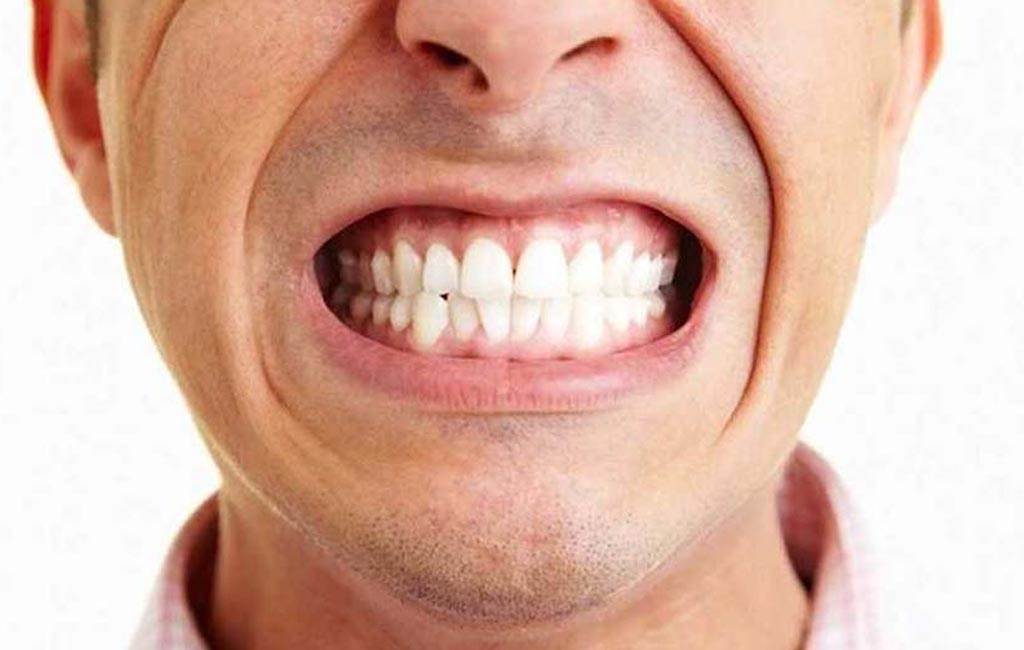
Bruxism is the habit of grinding or clenching the teeth, often during sleep. Many people are unaware they grind their teeth until signs such as tooth wear or jaw discomfort appear.
Bruxism may be associated with:
- Tooth sensitivity or worn teeth
- Jaw or facial muscle pain
- Morning headaches
- Chipped or cracked teeth
Managing bruxism helps protect teeth and reduce strain on the jaw muscles.

How Night Guards Can Help
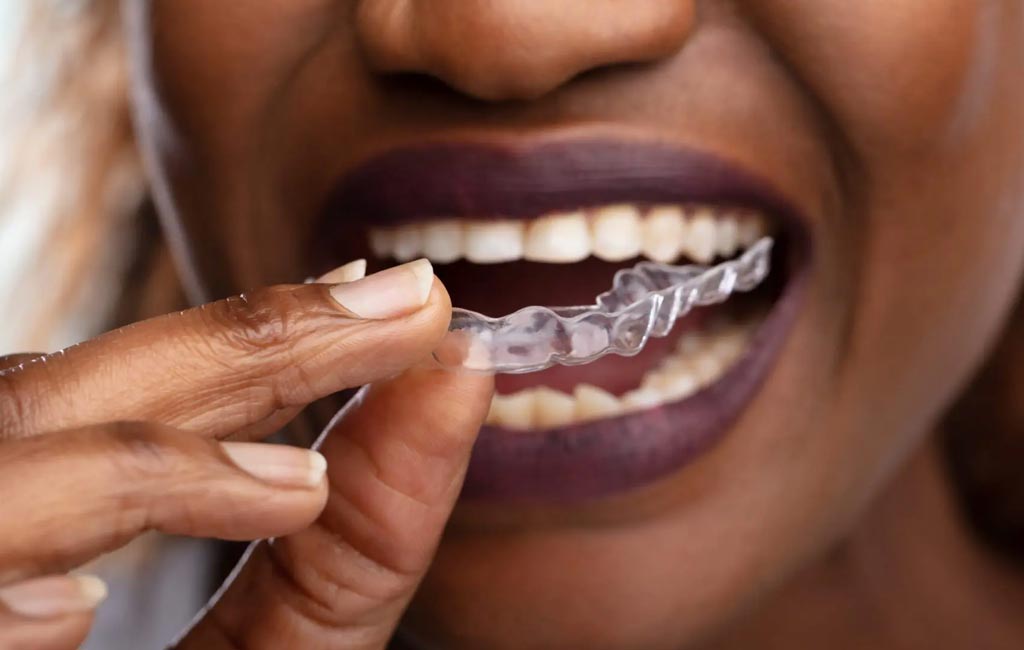
Night guards are custom made oral appliances worn during sleep. They are designed to fit over the teeth and help reduce the effects of grinding and clenching.
A custom night guard may help:
- Protect teeth from wear and damage
- Reduce jaw muscle strain
- Support a more comfortable jaw position
- Minimize pressure on the temporomandibular joints
Your dentist will determine whether a night guard is appropriate based on your symptoms and oral health.
What to Expect During a Night Guard Appointment
The process of getting a custom night guard is straightforward.
It typically includes:
- An oral health assessment and discussion of symptoms
- Impressions or digital scans of the teeth
- Fitting and adjustments if needed
- Guidance on use and care
Follow up visits help ensure the night guard continues to fit comfortably.
Frequently Asked Questions
Have questions? We have answers. If you can't find what you're looking for, feel free to reach out to us directly.
Many people are unaware they grind their teeth. Signs may include worn or flattened teeth, jaw soreness, headaches upon waking, or reports from a partner who hears grinding sounds during sleep.
Night guards may help reduce strain on the jaw muscles and joints caused by clenching or grinding. A dental assessment is needed to determine whether a night guard is appropriate for your symptoms.
Custom night guards are designed for comfort and fit. It may take a short adjustment period, but many patients find them easy to wear once they become accustomed to them.
The lifespan of a night guard depends on the level of grinding, fit, and care. Regular dental visits help monitor wear and determine when replacement may be needed.
Store bought night guards are available, but they may not fit properly and can feel bulky. Custom night guards are made specifically for your teeth and may offer better comfort and protection.